
Table of Contents
- What is a self-priming water pump, and why does it matter?
- How does a self-priming centrifugal pump work?
- Self-priming vs standard centrifugal water pump: What is the difference?
- Where are self-priming pumps used in industry?
- What makes a centrifugal pump suitable for chemical transfer?
- How to select the right self-priming pump for your application
- Common operating problems and how to avoid them
- Conclusion
- Frequently Asked Questions
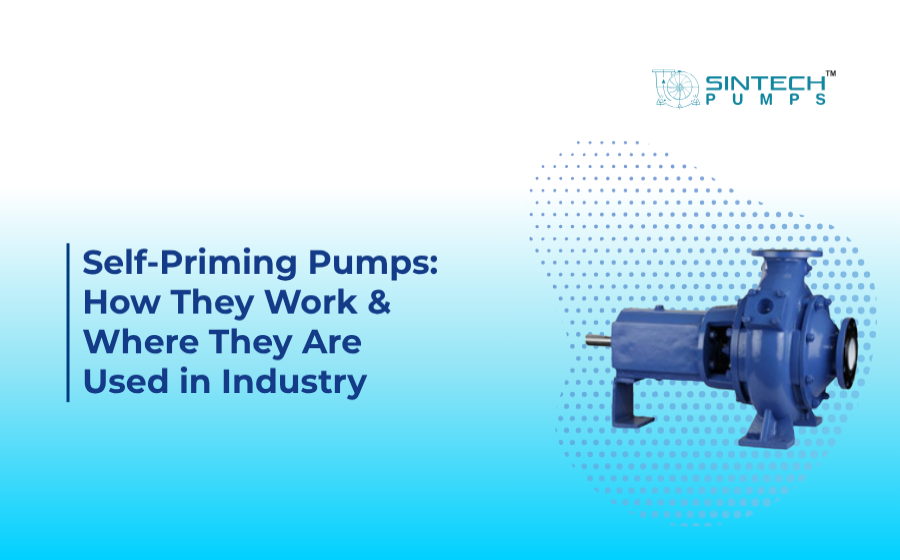
A self-priming pump is a centrifugal pump that clears air out of its own suction line and gets fluid flowing again without anyone priming it by hand. It does this by recirculating liquid inside the casing, which builds the vacuum needed to pull fluid up. You’ll find these pumps all over wastewater, chemical processing, paper mills, and anywhere else the suction is intermittent or the pump risks running dry.