Sintech Pumps No Comments

Navigating Pump Curves: Your Guide to Selecting the Right Pump

In the world of industrial pumping solutions, understanding pump curves is not just beneficial; it’s essential. These curves are the key to unlocking the full potential of a pump, serving as a crucial guide in selecting the right pump for any application. At the heart of every efficient pumping system lies a well-chosen pump, and this choice is largely influenced by the intricate details presented in pump curves. Whether you’re a plant engineer, operations manager, or simply someone keen on industrial mechanics, grasping the concept of pump curves can significantly impact the effectiveness and efficiency of your pumping solutions.

The Essentials of Pump Curves: A Comprehensive Pump Selection Guide

Pump curves are vital tools in the pump selection process, providing essential information about a pump’s performance under various conditions. Here’s a detailed breakdown in list form:
  1. Understanding Flow Rate vs. Head:
    • Flow Rate: Measures how much liquid the pump can move over a period.
    • Head: Refers to the height the pump can elevate the fluid.
    • Graph Interpretation: The curve shows how the flow rate decreases as the head increases, helping to match the pump to your specific flow and head requirements.
  2. Evaluating Efficiency Curves:
    • Purpose: Indicates how efficiently a pump operates at different flow rates.
    • Optimal Point: The peak of the curve represents the Best Efficiency Point (BEP), where the pump operates most effectively.
    • Application: Selecting a pump that operates close to its BEP ensures energy efficiency, crucial in industries with high power costs.
  3. Analyzing NPSH (Net Positive Suction Head) Requirements:
    • NPSH Explained: The minimum pressure required at the suction port to avoid cavitation (formation of vapor bubbles in the fluid).
    • Curve Details: Shows the required NPSH at different flow rates.
    • Importance: Ensuring the system provides adequate NPSH above the pump’s requirement is key to preventing damage and maintaining efficiency.
  4. Considering Additional Curve Data:
    • Power Consumption Curves: Illustrate the power requirement of the pump across different flow rates.
    • Material and Design Considerations: Some curves provide insights into the suitability of pump materials and design for specific applications.
  5. Applying Pump Curves to Specific Sintech Pumps:
By thoroughly understanding and utilizing these aspects of pump curves, professionals can make informed decisions in selecting the right pump for their specific needs, ensuring optimal performance and efficiency. This comprehensive approach is crucial for both small-scale operations and large industrial setups.

Enhancing Industrial Efficiency and Performance through Pump Curve Analysis

The accurate interpretation of pump curves is a critical factor in enhancing both ‘Industrial Pump Efficiency’ and ‘Pump Performance Analysis.’ These curves serve as a fundamental tool in selecting the right pump, directly impacting the efficiency and operational performance of industrial systems. Pump curves provide essential data on how a pump will perform under varying conditions, crucial for ensuring that the selected pump meets the specific needs of an application. By aligning pump selection with the system’s requirements, industries can avoid the pitfalls of over-sizing or under-sizing. An appropriately sized pump operates closer to its Best Efficiency Point (BEP), leading to reduced energy consumption, lower operational costs, and minimized wear and tear. In real-world applications, such as in water treatment facilities or chemical plants, the use of pump curves in performance analysis is invaluable. It allows for the selection of pumps that can handle fluctuating demands efficiently, ensuring consistent performance and reliability. For instance, in a process industry, selecting a pump that can adapt to varying viscosity levels based on pump curve analysis can significantly optimize the process efficiency.

Advanced Applications: Hydraulic Pump Curves in Focus

Hydraulic systems, with their complex dynamics, require pumps that are precisely matched to their operational demands. This is where ‘Hydraulic Pump Curves’ play a crucial role. These curves provide invaluable insights into the performance of pumps in hydraulic applications, guiding professionals in selecting the right pump for specific tasks. The first aspect of hydraulic pump curves to consider is the flow rate versus pressure relationship. This relationship is critical in hydraulic systems where precise control of fluid movement is essential. By analyzing these curves, engineers can ensure that the pump delivers the right amount of fluid at the required pressure, maintaining the system’s efficiency and responsiveness. Another key element in hydraulic pump curves is the efficiency at various operating points. In hydraulic systems, where energy efficiency translates to cost savings and system longevity, selecting a pump that operates near its best efficiency point is vital. This not only optimizes energy use but also reduces wear and tear, extending the life of the pump and the system.

Mastering Pump Efficiency with Sintech Pumps

Throughout this exploration of pump curves, we’ve seen their critical role in ensuring optimal pump selection and performance. From the general principles to specific applications like hydraulic systems, understanding pump curves is essential for efficiency and reliability. Sintech Pumps, with expertise in this field, offers a range of solutions tailored to meet these complex requirements. For those keen on precision and efficiency in their pumping solutions, we invite you to explore the wealth of resources available at Sintech Pumps. Our team of experts is dedicated to guiding you through the selection of the ideal pump for your specific industrial needs. By choosing us, you ensure not just performance and efficiency, but also the longevity and reliability of your pumping systems. Reach out to us today to elevate your operations with our state-of-the-art pump technology and expertise
Sintech Pumps No Comments

Optimizing Industrial Pump Efficiency in Steel, Cement, and More

In the world of heavy industries such as steel production and cement manufacturing, industrial pumps are nothing short of vital cogs in an intricate machine. These pumps aren’t just accessories; they’re central players, performing functions ranging from the transfer of raw materials to the circulation of coolants. In such high-stakes environments where any delay or inefficiency could lead to significant losses, the role of industrial pump efficiency takes center stage. Ensuring these pumps operate at peak efficiency is not a luxury but a necessity, impacting not only productivity but also the overall operational sustainability.

The Intricacies of Heavy Industry Pumping

The Varied Demands of Heavy Industries While the overarching goal in heavy industries like steel, cement, or petrochemicals is operational efficiency, the specific pumping requirements can differ drastically from one industry to another. In steel manufacturing, pumps often need to handle high-temperature liquids and must be robust enough to withstand abrasive materials. On the flip side, the cement industry often grapples with the need to pump extremely thick and abrasive slurries. Then there are the specialized requirements of the petrochemical industry, which demands pumps capable of handling volatile and sometimes corrosive liquids. Understanding these varied demands is the first step toward ensuring industrial pump efficiency, as each industry presents its own unique set of challenges and opportunities.

Challenges in Heavy Industry Pumping

Regardless of the industry, some challenges in pump operation are almost universal. Wear and tear is a common issue, often accelerated by the pumping of abrasive or corrosive materials. Over time, this can lead to decreased efficiency and, in the worst case, pump failure, necessitating expensive repairs or replacements. Efficiency is another ubiquitous challenge. Inefficient pumps can be energy hogs, driving up operational costs and decreasing overall productivity. Then there is the challenge of material compatibility and handling diverse types of liquids. From high-viscosity oils in the petrochemical sector to high-temperature coolants in steel plants, pumps have to be versatile enough to handle it all. Often, a single factory will have different pumps for different processes, complicating maintenance and requiring specialized expertise. Addressing these challenges is not just about resolving problems as they arise; it’s about preempting them through smart design, regular maintenance, and a thorough understanding of the specific pumping needs of your industry. In a world where efficiency can be a major differentiator, understanding and mitigating these challenges is key.

Engineering Meets Industry: The Role of Industrial Pump Designing

When it comes to industrial pumps, design and efficiency go hand in hand. The design parameters are far from arbitrary; they are carefully selected elements that define how well the pump will perform in the industrial landscape. Here’s a quick breakdown:
Basic Principles of Pump Design
  • Longevity: Design for the long haul, choosing materials that can withstand rigorous use.
  • Reliability: Engineered for consistent performance to minimize breakdowns and disruptions.
  • Efficiency: Core aim to reduce energy consumption and operational costs.
Designing for Efficiency
  • Hydraulic Losses: Minimize through precision engineering of the pump casing.
  • Impeller Design: Optimize for better fluid flow and efficiency.
  • High-Efficiency Motors: Incorporate to maximize overall pump performance.
  • Real-time Monitoring and Automation: New tech advancements for actionable insights into pump performance.

Pump Types and Their Efficiency Challenges

Navigating the intricacies of various pump types is crucial for achieving optimal industrial pump efficiency. Here, we focus on some of the common types of pumps and the unique efficiency challenges they present, along with potential solutions.
Centrifugal Pumps
  • Efficiency Challenges: Issues like cavitation and poor suction can impact efficiency.
  • Solutions: Opt for self-priming pumps and pay attention to suction head calculations.
Dynamic Sealing Pumps
  • Efficiency Challenges: Leakage and wear and tear of the dynamic sealing components.
  • Solutions: Use wear-resistant sealing materials and implement regular maintenance schedules.
Horizontal and Vertical Axial Flow Pumps
  • Efficiency Challenges: Loss of efficiency due to incorrect blade angle or flow rate.
  • Solutions: Regular inspection and recalibration can maintain efficiency levels.
Multistage High Pressure Pumps
  • Efficiency Challenges: Energy loss can occur at each stage if not properly managed.
  • Solutions: Precision engineering and energy recovery systems can enhance efficiency.
Zero Liquid Discharge
  • Efficiency Challenges: Energy-intensive process and management of residual waste.
  • Solutions: Incorporating heat exchange systems and process optimization can save energy.

The Sintech Advantage

In the complex realm of heavy industries, getting the most out of your pump systems isn’t just about choosing the right hardware; it’s also about ongoing support and expertise. Sintech Pumps offers a range of pumps designed for high performance, but what sets them apart is their comprehensive suite of services designed to maximize industrial pump efficiency.

Pre-emptive Measures: Service Options to Enhance Efficiency

Optimal efficiency is not a one-off event but an ongoing process that can be achieved through vigilant and pro-active measures. Here, we look at some of the services that can make a significant impact on your industrial pump efficiency:
Consultancy
  • Role in Achieving Efficiency: Expert advice tailored to specific industry needs can set the groundwork for long-term efficiency.
Pump Repair, Overhauling, and Retrofitting
  • Importance in Maintaining Efficiency: Timely repair and upgrades extend the lifespan of pumps and improve overall efficiency.
Energy Management and Audits
  • Role in Achieving Efficiency: Regular energy audits can pinpoint wasteful practices, providing insights for energy-saving measures.

Taking The Next Step: A Conclusive Guide to Elevating Your Pump Efficiency

In demanding industrial environments, the efficiency of your pumping solutions can make or break your operation. From tackling specific challenges to implementing preemptive service measures, the pathway to enhanced efficiency is multifaceted. Take the next step in fortifying your industrial processes by consulting experts and selecting pumps designed to meet your unique needs. For further discussion or queries, feel free to contact us.
Sintech Pumps No Comments

Unveiling the Complexities: Overcoming Industrial Pump Challenges in Heavy Industries

The backbone of any heavy industry, industrial pumps play a pivotal role in ensuring the smooth flow of operations. From transferring raw materials to dispatching finished products, these pumps are quintessential. Yet, like every essential equipment, they aren’t immune to challenges. Recognizing and addressing these industrial pump challenges is pivotal for ensuring uninterrupted productivity. When it comes to heavy industries, the challenges are manifold. Not only are these industries required to maintain top-tier efficiency, but they also need to find solutions tailored for heavy industries that ensure their equipment stands the test of time.

General Challenges in Heavy Industries Relating to Pumping Solutions 

Heavy industries often grapple with common pump-related issues. These include:
  • Wear and Tear: The inevitable outcome of constant operation is the gradual degradation of machinery. Pumps are no exception. Bearings wear out, seals degrade, and impellers can get eroded, especially when dealing with abrasive materials.
  • Loss of Efficiency: Over time, as parts wear out and lubricants break down, pumps can lose their ability to operate at peak performance. This can lead to increased energy consumption, reduced flow rates, and even pump failures.
  • Corrosive or Abrasive Liquids: Handling materials that are either corrosive or abrasive is a significant challenge. These materials can corrode pump internals or erode them at an accelerated rate, leading to frequent maintenance or replacement needs.
  • Heat Dissipation: Pumps generate heat during their operation. Managing this heat, especially in environments where cooling might be a challenge, is crucial to ensure longevity and prevent overheating.
  • Complex Fluid Dynamics: In some cases, pumps need to handle liquids with varying viscosities or those that have a mix of liquid and solid components. Understanding and managing the fluid dynamics of such mixtures can be a technical challenge.
  • Environmental Concerns: With increasing emphasis on sustainability, there’s pressure on industries to reduce emissions and leaks. Pumps, being critical components, need to adhere to stricter environmental standards.
Addressing Industrial pump challenges head-on is crucial to maintain operational excellence and ensure that heavy industries can continue their operations without disruptions.

Tailored Responses to Industrial Pumping Dilemmas

Navigating the intricacies of heavy industries, it’s evident that each pump type comes with its own set of challenges. However, with a proactive approach and the right solutions, these hurdles can be effectively addressed, ensuring streamlined operations and longevity.
Centrifugal Pumps: 
Challenge: Cavitation, which is the formation of vapor bubbles, poses a risk due to low pressure at the suction end. 
Solution: Utilize self-priming designs and ensure that the system’s suction head is adequate to avoid negative pressure.
Dynamic Sealing Pumps: 
Challenge: The dynamic seals are prone to leakage, especially with fluctuating pressures and temperatures. 
Solution: Opt for high-quality sealing materials and ensure regular maintenance checks to monitor seal health.
Torque Flow Pumps: 
Challenge: Managing viscous or slurry materials can lead to increased torque, affecting efficiency. 
Solution: Use pumps designed with specialized impellers to manage high-torque scenarios and ensure regular desludging.
Horizontal and Vertical Axial Flow Pumps: 
Challenge: Over time, blade erosion can decrease pump efficiency. 
Solution: Invest in pumps with erosion-resistant blade materials and monitor performance to spot efficiency drops early.
Horizontal Mixed – Flow Pumps: 
Challenge: Mixed flow designs can lead to uneven wear in the impeller blades. 
Solution: Routine impeller checks and opting for wear-resistant materials can extend pump life and maintain efficiency.
Multistage High Pressure Pumps: 
Challenge: Imbalance in pressure between stages can reduce system efficiency. 
Solution: Precision-engineered pumps ensure consistent pressure across stages. Regular monitoring aids in maintaining balance.
Split Casing Pumps Double Suction – SCS: 
Challenge: Double suction designs can face alignment issues, causing wear.
Solution: Periodic alignment checks and maintaining optimal installation conditions prevent undue wear and tear.
Vertical Mixed Flow Pumps: 
Challenge: Ensuring consistent efficiency when handling mixed flow scenarios can be tricky. 
Solution: Routine inspections and impeller maintenance can ensure optimal mixed flow handling.
Vertical Sump Pumps: 
Challenge: Dealing with high-temperature and corrosive sump contents poses material challenges. 
Solution: Using corrosion-resistant pump materials and designs that can dissipate heat efficiently are crucial.
Vertical Turbine Pumps: 
Challenge: Depth variances can affect pump efficiency and cause strain. 
Solution: Ensure the pump design matches well depth and implement real-time monitoring to catch strain early.
Liquid Ring Vacuum Pump: 
Challenge: Maintaining the necessary vacuum levels without excessive power consumption. 
Solution: Regular maintenance, seal checks, and ensuring the liquid ring remains unobstructed are essential for efficient operation.

Pump Efficiency Tips to Keep Your Operations Smooth

Operational efficiency is paramount in the realm of heavy industries. Addressing these challenges to ensure that your pumps are running at peak efficiency is not just beneficial; it’s essential. Here are some top-tier tips to achieve this goal:
  1. Maintenance is Key: Much like a well-oiled machine, pumps require regular maintenance and inspections. This not only extends their lifespan but also keeps them running at optimum levels, thwarting unexpected downtimes.
  2. Train Your Team: The intricacies of pump operations might seem daunting. This is why training your staff becomes crucial. A well-informed team can not only operate the pumps more efficiently but can also preempt potential issues, saving time and resources in the long run.
  3. Embrace the Digital Age: Automation and real-time monitoring solutions are not mere buzzwords; they are the future. Implementing these can provide instantaneous data on pump performance, enabling quicker decisions and ensuring that your operations are always running smoothly.

A Word from Sintech Pumps

In the vast expanse of heavy industries, challenges with industrial pumps are as constant as change. At Sintech Pumps, we understand these complexities. Our range of products is meticulously crafted, reflecting our deep understanding of industry needs. Experience the confluence of quality and efficiency with Sintech Pumps. Remember, understanding the challenges and implementing the correct solutions paves the way for sustainable growth. Industries flourish not by dodging challenges but by adopting the right solutions to overcome them. Please do follow the pump efficiency tips and you will see some noticeable improvements in your operations.  Considering a partner for your pumping solutions? Check out our pump manuals and catalog and give us a call now!
Sintech Pumps No Comments

Performance & Energy Efficiency with 10 Smart Servicing Tips

Maximizing Pump Performance: 10 Ways Servicing Boosts Energy Efficiency

In the world of industry, pump performance and energy conservation are intertwined concepts. They form the backbone of successful, cost-effective operations. A well-performing pump ensures optimal productivity and extends the lifespan of the equipment. On the other hand, energy efficiency aids in reducing operational costs, conserving valuable resources, and minimizing environmental impact. To put this into perspective, consider the following key points:
  • Enhanced pump performance leads to optimized energy usage, which is instrumental in achieving significant energy conservation.
  • Different types of pumps, including Centrifugal Pumps, Torque Flow Pumps, and Multistage High Pressure Pumps, exhibit a direct correlation between their operational efficiency and energy conservation potential.

The Nitty-Gritty of Pump Efficiency

Maximizing pump performance: It’s All About Efficiency – Pump efficiency isn’t a one-size-fits-all concept. Rather, it’s a parameter that varies with the type and usage of the pump. Simply put, pump efficiency gauges how effectively a pump translates its input power into the output power required for pumping fluid. To better grasp this idea, consider these key points:
  • The higher the pump efficiency, the less energy is wasted in forms like heat, vibration, or sound, and more is used for actual pumping.
  • Pump types like Centrifugal Pumps, Torque Flow Pumps, and Multistage High Pressure Pumps have unique efficiency factors, each influenced by their design and operation.

Pump Performance and Energy Conservation: The Connection

Comparing the outcomes of an optimally performing pump versus an underperforming one can illuminate how pump performance directly influences energy conservation. Consider this:

Optimal Pump PerformanceSubpar Pump Performance
EfficiencyAn optimally performing pump runs smoothly, using minimal energy to transport fluids effectively. This high efficiency reduces energy consumption, making the operation cost-effective.An underperforming pump struggles to transport fluids effectively, often needing more energy to perform the same task. This lower efficiency means more energy consumption, leading to inflated operational costs.
Operational LifespanWhen a pump is performing at its peak, it reduces strain on its components, which can prolong the pump's lifespan, resulting in fewer interruptions to service and reduced costs for part replacement.An underperforming pump strains its components, leading to faster wear and tear. This shortens the pump's lifespan, causing more frequent interruptions to service and additional costs for part replacements.
Energy ConservationWith optimal performance and high efficiency, the pump uses only the energy it needs, thereby significantly reducing energy wastage. This conservation is not just cost-saving, but it also contributes positively to environmental sustainability.An underperforming pump, with its lower efficiency, often wastes energy. This wastage not only inflates costs but also negatively impacts environmental sustainability.

In the grand scheme of things, the performance of your pump isn’t just about keeping your operations running smoothly. It’s also about how efficiently it uses energy, how long it can last, and its impact on the environment. By focusing on maximizing pump performance, you can achieve significant energy conservation, leading to cost savings and a smaller carbon footprint. It’s a dance of efficiency and sustainability that every industry should aim to master.

10 Strategies to Enhance Pump Performance and Energy Efficiency

Improving pump performance and energy efficiency is not a one-time task but an ongoing commitment. Here are ten key strategies that can help you achieve these goals:
  1. Regular Inspection: Regular checks are critical for maintaining optimal pump performance. These inspections can reveal minor issues before they become significant problems, reducing downtime and unnecessary energy expenditure.
  2. Proper Sizing: Selecting the right pump size for your specific needs can dramatically improve energy efficiency. An oversized or undersized pump won’t operate at its best efficiency point, leading to increased energy consumption.
  3. Proactive Maintenance: Preventive maintenance is an investment that pays off by preventing performance dips. Regular servicing, including adjusting seals and bearings, cleaning, and lubricating parts, can keep your pump running smoothly and efficiently.
  4. Pump Repair and Overhauling: Over time, wear and tear can degrade a pump’s performance. Repair and overhauling services can revitalize your pump, restoring its performance, and improving energy efficiency.
  5. Replacement of Worn Out Parts: Timely replacement of worn-out parts can prevent losses in pump efficiency. Keeping a close eye on your pump’s condition and promptly replacing any deteriorating components can save both energy and money in the long run.
  6. Effective Sump Design: A well-designed sump can significantly enhance pump performance. The right sump design minimizes potential issues like vortexing and sediment buildup, which can hinder a pump’s efficiency.
  7. Appropriate Pump Usage: Each pump is designed for specific conditions and duties. Utilizing pumps as per their design and capability ensures they operate at their peak efficiency, reducing unnecessary energy usage.
  8. Energy Management and Audits: Regular energy audits can help identify inefficiencies in the system and suggest necessary improvements. This proactive approach helps maintain high pump energy efficiency over time.
  9. Training of Operators: Properly trained operators are crucial in maximizing pump efficiency. They can detect and address issues promptly, operate the pump within its optimal range, and make informed decisions on maintenance.
  10. Pump Retrofitting: In some cases, retrofitting an existing pump can help optimize its performance and boost energy efficiency. This involves upgrading parts or systems within the pump to enhance its functionality and adaptability.
Incorporating these strategies into your routine operations can significantly enhance your pump performance and contribute to substantial energy conservation. Remember, every step taken towards better efficiency not only saves operational costs but also makes your process more sustainable.

Real-world Solutions: Sintech Pumps

Addressing pump performance and energy conservation in the real world requires engaging with professionals well-versed in the dance of efficiency and sustainability. We, at Sintech Pumps, consistently strive to provide solutions that go beyond the ordinary. Our understanding of the diverse needs across various sectors allows us to offer a versatile range of pumps. Our commitment doesn’t stop at supplying high-quality pumps. We also offer tailored services such as pump repair, overhauling, and retrofitting to enhance pump performance and reduce energy wastage. These services aim at rejuvenating your pumps’ efficiency and lifespan, contributing to significant energy conservation. Recognizing the importance of energy management, we engage in comprehensive audits to analyze pump operation and energy usage. Through this, we identify inefficiencies and propose actionable recommendations, reinforcing our dedication to facilitating sustainable and efficient industrial operations. In a world that increasingly values energy efficiency and environmental stewardship, we stand out by offering holistic solutions, geared towards the complex demands of modern industry, all while keeping an eye on maximizing pump performance

Wrapping Up: Towards Maximized Pump Performance and Sustainable Energy Conservation

In the journey towards maximizing pump performance and energy efficiency, a thoughtful, comprehensive approach is essential. As we’ve explored, strategies such as regular inspection, appropriate sizing, preventive maintenance, timely repair, and overhauling, all play a significant role in enhancing the overall performance of your pumps, subsequently leading to considerable energy conservation. Whether it’s the heartbeat of your operations or the larger dance of industry and sustainability, mastering the rhythm is essential. If you’re navigating these challenges, don’t hesitate to reach out to pump professionals who can guide you towards optimal solutions. At the end of the day, every action taken towards improved efficiency and reduced energy consumption not only positively impacts your operations but also contributes to a more sustainable future. So, let’s make every pump count, one efficiency boost at a time. Are you ready to maximize your pump performance? Start your journey towards greater energy conservation today!
Sintech Pumps No Comments

Pre Monsoon Pump Maintenance: Safeguarding Industrial Operations During the Rainy Season

As your trusted industrial pump manufacturers, we at Sintech Pumps don’t just sell pumps; we believe in providing comprehensive solutions that include exceptional maintenance services to ensure your operations run smoothly, even during the challenging monsoon season.

Industrial Pump Manufacturers’ Guide to Pre-Monsoon Pump Maintenance and Protection

Industrial Pump Manufacturers' Guide to Pre-Monsoon Pump Maintenance and Protection

As the harbinger of flourishing greenery and respite from the heat, the monsoon season has a significant charm of its own. But for industries that heavily rely on pumps for their operations, the rainy season can present a unique set of challenges. This is especially the case for industrial water pump systems, vertical multistage pumps, and electrical submersible pumps, which are often exposed to harsh weather conditions.

Top Industrial pump manufacturers like Sintech Pumps are well aware of the potential risks and disruptions that can occur due to the monsoon season. These range from water damage and power outages to increased corrosion and wear on pump components. Apart from regular pump maintenance, your pumps need some extra care before and during the monsoon arrival.  Pre-emptive steps, such as conducting a thorough pre monsoon pump maintenance, are crucial to mitigate these risks, minimize downtime, and maintain operational efficiency.

At Sintech Pumps, we’re committed to assisting you navigate these challenges effectively and ensure the seamless operation of your industrial pumps during the monsoon season. Let us delve into the key challenges faced by industries during the monsoon season, the importance of pre monsoon pump maintenance, and practical tips to protect your pumps.

Challenges Faced by Industries During Monsoon

Challenges Faced by Industries During Monsoon

1. Water Damage Risks to Industrial Pumps: Facing the Monsoon Head-On

One of the primary challenges faced by industries during the monsoon season is water damage. Heavy rainfall can lead to flooding, which can cause significant harm to your industrial pumps, particularly if they are not adequately protected. Water can infiltrate your industrial water pump systems, leading to seal failures, bearing damage, and motor malfunctions. Additionally, water damage can pose serious electrical hazards, leading to short circuits and potentially dangerous working conditions.

To protect your pumps from water damage, it’s crucial to ensure they are properly sealed and housed. Regularly inspect the seals for wear and tear, replacing them as necessary to prevent pump failure. Also, monitor the condition of your pump housings and consider waterproofing measures to provide an additional layer of protection against the rain.

2. Power Outages: Keeping Your Pumps Running Amidst the Storm

Monsoons often bring with them frequent power outages, which can seriously impact the operation of your pumps. Without a stable power supply, your pump operations can come to a standstill, disrupting your industrial processes. This is particularly problematic for vertical multistage pumps and electrical submersible pumps, which rely heavily on electric power for their functioning.

To mitigate the risk of power outages, consider investing in reliable backup power solutions, such as generators or uninterruptible power supply (UPS) systems. These can keep your pumps running smoothly during power disruptions, ensuring uninterrupted operations. Also, regular maintenance of your electrical systems can help identify potential problems early and prevent unexpected power failures.

3. Corrosion and Wear: Protecting Your Pumps from the Elements

The monsoon season can also accelerate the corrosion and wear of your pumps. High humidity and rainwater can erode the materials of your pump, leading to reduced performance and potential failures. Corrosion can be particularly detrimental for pumps made from metals that are susceptible to rust.

Read More: Effects of Corrosion & Erosion on Industrial Pumps

Through proactive measures like these, you can safeguard your pumps and maintain smooth industrial operations, even amidst the challenging monsoon season. At Sintech Pumps, we provide comprehensive Industrial Pump Contract maintenance services to help you protect your pumps and ensure their optimal performance.

Ensuring the Longevity of Pumps: Practical Tips for the Monsoon Season

Ensuring the Longevity of Pumps The rainy season, while a much-needed respite from the scorching heat, can pose significant challenges for industries relying on pumps. At Sintech Pumps, your trusted industrial pump manufacturers, we offer more than just products; we deliver solutions.

Water Management: Keep the Deluge at Bay

Effective water management is paramount during the monsoon season. Here’s what you can do:

  1. Ensure Proper Drainage: Arrange for proper drainage around your pump installations to prevent water accumulation and potential flooding.
  2. Invest in Waterproofing: Protect your pumps and their electrical components from water ingress with effective waterproofing measures.
  3. Monitor Water Levels: Regularly check the water levels around your pump installations. Early detection of rising water levels can help you take preventive measures in a timely manner.

Backup Power Solutions: Stay Powered Up

Power outages are a common occurrence during the monsoon season. Here’s how you can stay prepared:

  1. Have Backup Power: Equip your facility with reliable backup power solutions such as generators or UPS systems to ensure uninterrupted pump operations during power disruptions.

Pre Monsoon Pump Maintenance: Stay Ahead of the Game

A thorough pre-monsoon pump maintenance is crucial. Here’s a checklist to help you:

  1. Inspect Seals: Check for wear and tear. Replace if necessary to prevent leaks and pump failure.
  2. Check Bearings: Regularly inspect for signs of corrosion. Preventive maintenance can help avoid bearing damage and subsequent pump malfunctions.
  3. Secure Electrical Connections: Make sure the connections are secure and well-insulated to prevent electrical hazards.
  4. Evaluate Overall Pump Health: Check for signs of wear and corrosion. Ensure the pump is clean, well-aligned, and all components are functioning correctly.
  5. Be informed: Last but not least, learn how to identify and correct the causes of trouble in pumps. Go through our pump maintenance tips article and make sure you’ve done all you can.

Remember, the team at Sintech Pumps is always here to assist you with comprehensive maintenance services to ensure the longevity and optimal performance of your pumps.

With this checklist in hand, you’ll be well-prepared to protect your pumps during the monsoon season. Trust in the expertise of Sintech Pumps, and let us help you navigate the monsoon season with confidence. As committed industrial pump manufacturers, our mission extends beyond sales to ensuring optimal pump performance and longevity.

Preparation is the Key!

Preparation is the Key!

The monsoon season, while refreshing and vital for many aspects of our environment, can pose significant challenges for industries relying on pumps. Water damage, power outages, and accelerated corrosion and wear can all lead to unexpected downtime, costly repairs, and interrupted operations. However, with proper preparation and preventive measures, these challenges can be effectively managed.

Pre monsoon pump maintenance is crucial in safeguarding your industrial operations. By conducting thorough inspections, maintaining your pumps, and implementing strategies like effective water management and backup power solutions, you can minimize the risk of pump failures and increase the efficiency of your pumps.

At Sintech Pumps, we understand the challenges that the monsoon season can bring. As one of the leading industrial pump manufacturers, we are committed to helping you navigate these challenges. Our range of Industrial Pumps are designed with durability and reliability in mind, capable of withstanding harsh weather conditions.

Furthermore, our Contract Maintenance program offers comprehensive support, ensuring your pumps are always in top condition. By partnering with us, you will benefit from our expertise, leading to minimize downtime, increased pump lifespan, and optimal operational efficiency.

In conclusion, protecting your pumps during the monsoon season is a significant aspect of maintaining smooth industrial operations. With Sintech Pumps by your side, you can face the rainy season with confidence, knowing that your pumps are well-protected and your operations will continue unhindered.

Sintech Pumps No Comments

Energy Efficiency Considerations for Torque Flow Pumps by Sintech

I. Introduction

In the industrial world, pumping systems play a significant role, often acting as the heart of many processes. Torque Flow Pumps, a specific type of centrifugal pump, stand out due to their unique design and operational capabilities. Manufactured by Sintech Pumps, a renowned Indian company with a global footprint, these pumps are engineered to handle the toughest industrial applications.

Torque Flow Pumps, also known as recessed impeller or vortex pumps, are distinguished by their unique impeller design. Unlike conventional pumps, they have an impeller recessed into the volute or casing. This impeller creates a vortex in the pump casing, enabling the pump to handle heavy, solid-laden fluids and tough slurries with exceptional efficiency and reduced wear. This design leads to significantly less damage to the pump over time, extending the pump’s operational life and thereby enhancing its overall cost-effectiveness.

In the context of industrial equipment, energy efficiency has never been more important. Industrial pumps, for instance, are estimated to consume about 20% of the world’s electrical energy. Given this considerable energy footprint, even incremental improvements in pump efficiency can lead to substantial energy savings, directly impacting operational costs and contributing to global efforts in sustainability.

Energy efficiency in pumping systems revolves around maximizing the useful work derived from each unit of energy consumed. For pumps, this implies moving the maximum amount of fluid, to the required height or pressure, with the minimum energy input. More efficient pump systems reduce energy consumption, lower greenhouse gas emissions, and in many jurisdictions, comply with regulatory standards on energy efficiency.

Sintech Pumps’ Torque Flow Pumps are at the forefront of this drive towards greater efficiency. They are engineered to optimize energy use while performing under the toughest conditions. Their unique design and superior construction materials reduce internal wear and friction, thereby lowering energy consumption. This not only helps industrial plants save on their energy bills but also aligns with global initiatives for energy conservation and reduced carbon emissions.

In this article, we delve into the concept of energy efficiency, the role of Torque Flow Pumps in promoting energy efficiency, and the benefits that these energy-efficient pumps bring to industrial operations. We will also provide guidance on key considerations when choosing an energy-efficient pump, helping plant heads and technology officers make informed decisions.

II. Understanding Energy Efficiency in Pumping Systems
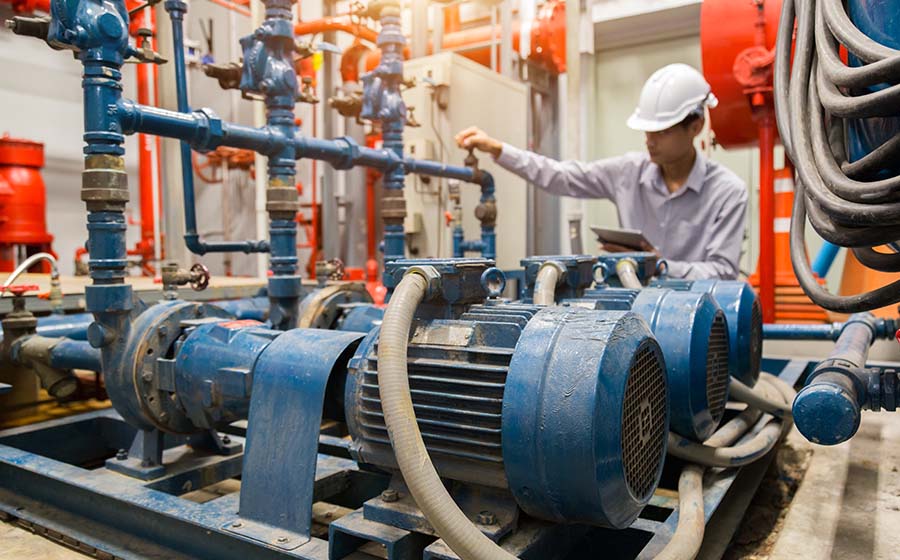
Understanding Energy Efficiency in Pumping Systems

The efficiency of a pump, in its simplest terms, refers to the pump’s ability to convert one form of energy (usually mechanical or electrical energy) into another (fluid energy). In the context of pumping systems, energy efficiency is the ratio of useful energy output (fluid energy) to the total energy input (mechanical or electrical energy). The higher the ratio, the more efficient the pump.

To understand the energy efficiency of pumping systems in more depth, we need to delve into three core factors – hydraulic, mechanical, and volumetric efficiency.

1. Hydraulic Efficiency

Hydraulic efficiency refers to the pump’s ability to convert the mechanical energy provided by the motor into fluid energy. This depends on the effectiveness of the pump’s impeller in transmitting energy to the fluid. In an ideally efficient pump, all the mechanical energy is transferred to the fluid, with no losses in the form of heat, vibration, or noise. However, in the real world, these losses are inevitable, although well-designed pumps like Torque Flow Pumps aim to minimize them.

2. Mechanical Efficiency

Mechanical efficiency is concerned with the transmission of energy from the pump’s motor to the impeller. In the process of this transmission, energy losses can occur due to factors like bearing friction, packing gland friction, and seal friction. The aim, therefore, is to reduce these losses to achieve higher mechanical efficiency. Pumps with superior mechanical designs and high-quality components, such as Sintech’s Torque Flow Pumps, can offer improved mechanical efficiency.

3. Volumetric Efficiency

Volumetric efficiency represents the effectiveness of a pump in transferring the fluid without leakage. It is the ratio of the actual fluid output to the theoretical output. This type of efficiency is particularly crucial in positive displacement pumps. While it’s less of a concern in centrifugal pumps like Torque Flow Pumps, it’s still a factor to consider, especially when handling fluids with suspended solids or in high-pressure applications.

In summary, the overall energy efficiency of a pump is the product of these three efficiencies: hydraulic, mechanical, and volumetric. By optimizing these factors, pumps can achieve significant energy savings, leading to reduced operational costs and a lower environmental footprint.

III. Role of Torque Flow Pumps in Energy Efficiency

III. Role of Torque Flow Pumps in Energy Efficiency Torque Flow Pumps are designed with energy efficiency in mind, featuring a design that enables them to handle heavy-duty applications with less energy consumption. The unique design of these pumps and their specific features contribute significantly to their energy-efficient performance.
1. Unique Design and Operational Capabilities

The distinct design of Torque Flow Pumps allows them to handle tough slurries and solid-laden fluids effectively. Unlike traditional impellers, the impeller in a Torque Flow Pump is recessed into the volute or casing. This recessed design creates a vortex of fluid within the pump casing, which reduces the contact and friction between the fluid (especially if it contains solids) and the impeller. Reduced friction means less energy is wasted overcoming frictional losses, thereby improving the pump’s overall energy efficiency.

This ability to handle tough slurries with minimal contact and wear also results in reduced downtime. Since the wear and tear on the pump components are minimized, maintenance requirements are decreased. Less downtime means the pump can operate more continuously, ensuring a smoother and more energy-efficient process.

2. Specific Energy-Efficient Features of Torque Flow Pumps

Torque Flow Pumps from Sintech come with a variety of energy-efficient features:

  1. High-Efficiency Motors: The motors used in Sintech’s Torque Flow Pumps are designed to maximize electrical-to-mechanical energy conversion, reducing energy losses and enhancing overall efficiency.
  2. Wear-Resistant Materials: These pumps are constructed from materials that resist wear and corrosion. This resistance means the pump maintains its efficiency longer, even when dealing with abrasive or corrosive fluids.
  3. Optimized Impeller Design: The impeller design in a Torque Flow Pump is optimized to maximize hydraulic efficiency. By reducing turbulence and cavitation, the impeller ensures smooth, energy-efficient operation.
  4. Robust Sealing System: The sealing system in these pumps minimizes leakage, contributing to the pump’s overall volumetric efficiency.

By leveraging these features, Torque Flow Pumps can provide industrial operations with significant energy savings, contributing to lower operating costs and supporting sustainability goals.

IV. Benefits of Energy Efficiency in Torque Flow Pumps
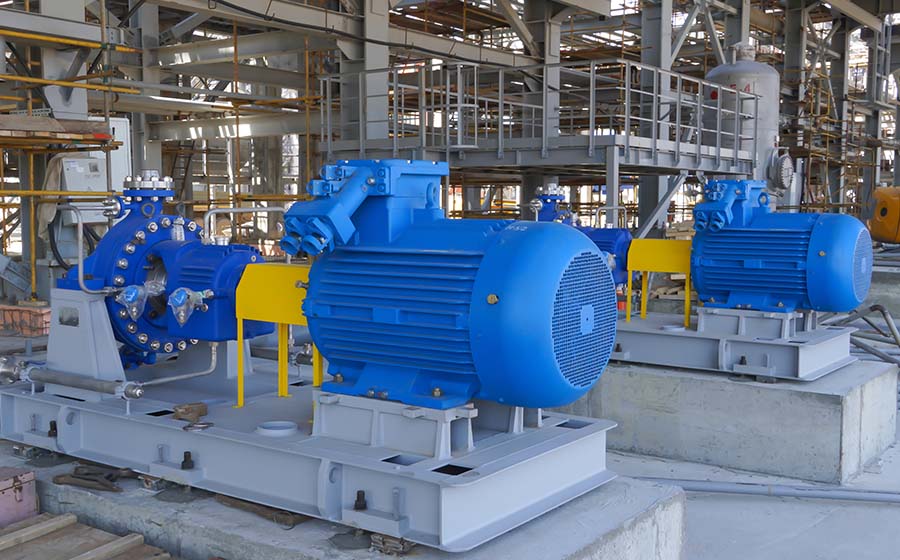
IV. Benefits of Energy Efficiency in Torque Flow Pumps

The energy-efficient design and operation of Torque Flow Pumps deliver several substantial benefits, not just to individual plants or operations, but also to the broader environment and society. Here are three critical benefits of energy efficiency in Torque Flow Pumps:

1. Operational Cost Savings

One of the most immediate and apparent benefits of using energy-efficient pumps is the potential for significant operational cost savings. Energy consumption is a major component of the operational costs in many industries. By reducing the amount of energy required for pumping, Torque Flow Pumps can help to dramatically lower these costs.

The savings become particularly significant over the lifetime of the pump. The purchase price of a pump is often only a small fraction of the total cost of ownership. Energy costs, along with maintenance and repair costs, constitute the lion’s share of total costs. Thus, by improving energy efficiency and reducing maintenance requirements, Torque Flow Pumps can lead to substantial cost savings over their operational lifetime.

2. Environmental Impact

Energy-efficient pumps also play a crucial role in reducing environmental impact. As industries worldwide strive to decrease their carbon footprint, every kilowatt-hour of energy saved contributes to this goal.

By reducing energy consumption, Torque Flow Pumps help lower the demand for electricity, much of which is still produced from fossil fuels. This reduction in demand leads to a decrease in carbon dioxide and other greenhouse gas emissions associated with energy production. As a result, energy-efficient Torque Flow Pumps contribute to global efforts to mitigate climate change.

3. Regulatory Compliance

In many countries, regulatory bodies are setting stricter standards for energy efficiency in various industries to achieve national and international sustainability targets. These standards often extend to the equipment used in industrial operations, including pumps.

Torque Flow Pumps, with their energy-efficient design and operation, can help industries meet or even exceed these regulatory standards. By choosing energy-efficient pumps, industries can ensure compliance with these regulations, avoid potential penalties, and even take advantage of incentives offered for energy-efficient operations.

In conclusion, the benefits of energy efficiency in Torque Flow Pumps extend far beyond the boundaries of individual industrial plants. They contribute to broader societal goals of cost savings, environmental sustainability, and regulatory compliance.

V. Case Study: Energy Efficiency of Torque Flow Pumps in Action
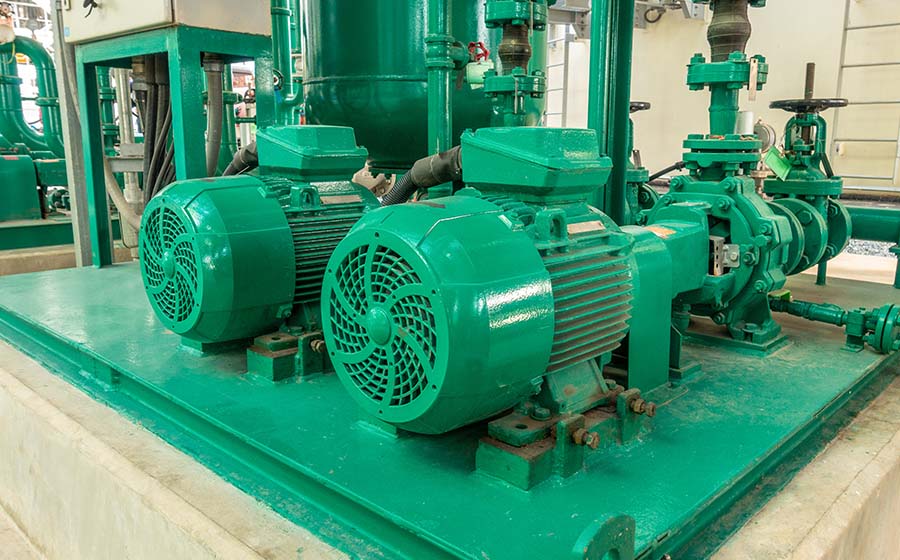
V. Case Study: Energy Efficiency of Torque Flow Pumps in Action

To better understand the real-world impact of energy efficiency in Torque Flow Pumps, let’s look at a hypothetical case study from a mining operation.

1. Background

Our case study focuses on a mid-sized mining company located in Rajasthan, India. The company specializes in extracting and processing a variety of minerals, a process that involves moving large volumes of slurries – mixtures of water and solid particles. These slurries can be highly abrasive and challenging to pump, leading to frequent breakdowns and high energy consumption in their existing pump system.

The company was keen to improve its operational efficiency and reduce its energy consumption. It approached Sintech Pumps, seeking a solution to its challenges.

2. The Solution

After assessing the mining company’s needs and the nature of the slurries involved, Sintech recommended the implementation of Torque Flow Pumps. These pumps are specifically designed to handle tough slurries with minimal wear, leading to fewer breakdowns and lower maintenance costs.

The Torque Flow Pumps provided by Sintech also featured high-efficiency motors and a robust sealing system, which further enhanced their energy efficiency. These features meant that the pumps could handle the demanding conditions while consuming less energy.

3. The Results

After a year of operation, the mining company observed significant improvements. The Torque Flow Pumps performed reliably under the demanding conditions, reducing the frequency of breakdowns and the associated downtime. The company noted a 30% reduction in maintenance costs, leading to considerable cost savings.

Furthermore, the energy-efficient design of the Torque Flow Pumps led to a marked decrease in energy consumption. The company reported a 20% reduction in energy use compared to the previous pump system, resulting in substantial savings in energy costs.

Moreover, the lower energy consumption contributed to a reduction in the company’s carbon footprint, aligning with its sustainability goals. The energy-efficient pumps also ensured compliance with India’s regulatory standards on energy efficiency.

This case study illustrates how Torque Flow Pumps, with their unique design and energy-efficient features, can significantly improve operational efficiency, reduce costs, and support sustainability goals.

VI. Choosing an Energy-Efficient Pump: Key Considerations

VI. Choosing an Energy-Efficient Pump: Key Considerations

When selecting a pump for any industrial application, energy efficiency should be a primary consideration. Here are some key factors to consider:

1. Specific Energy

Specific energy, often measured in kilowatt-hours per cubic meter (kWh/m³), represents the energy required to pump a specific volume of fluid. A pump with a lower specific energy is generally more energy-efficient than one with a higher specific energy. For Torque Flow Pumps, the specific energy can be evaluated using the pump’s performance data and the characteristics of the fluid to be pumped.

2. Pump Performance Curves

Pump performance curves provide valuable insights into a pump’s energy efficiency. These curves show the relationship between the pump’s flow rate and its head (pressure) for a given speed and impeller diameter. The point of maximum efficiency, often referred to as the Best Efficiency Point (BEP), is of particular interest. Operating a pump near its BEP ensures optimal energy use. Sintech Pumps provides detailed performance curves for their Torque Flow Pumps, which can be used to evaluate their energy efficiency for specific applications.

3. Lifecycle Costs

When evaluating the energy efficiency of a pump, it’s crucial to consider the total lifecycle costs, not just the initial purchase price. Lifecycle costs include the costs of energy consumption, maintenance, and repairs over the pump’s operational life. Energy-efficient pumps like Torque Flow Pumps may have a higher initial cost, but their lower energy and maintenance costs can lead to significant savings over their lifetime.

4. Evaluating Torque Flow Pumps for Energy Efficiency

When assessing Torque Flow Pumps for their energy efficiency, consider the factors mentioned above: specific energy, performance curves, and lifecycle costs. Also, look at the pump’s design features such as the efficiency of the motor, the design of the impeller, and the robustness of the sealing system. All these factors contribute to the pump’s energy efficiency.

It’s also worth consulting with pump experts, like the team at Sintech Pumps, who can provide detailed advice based on your specific operational needs and the characteristics of the fluid to be pumped.

VII. Conclusion

Energy efficiency in pumping systems, particularly in Torque Flow Pumps, is of paramount importance, not only for the operational efficiency and cost-effectiveness of industrial processes but also for broader environmental and societal benefits.

The energy-efficient design of Torque Flow Pumps, along with their capability to handle tough slurries, contributes to significant cost savings, reduction in environmental impact, and regulatory compliance. As demonstrated in our hypothetical case study, these pumps can significantly improve operational efficiency, reduce maintenance requirements, and lower energy consumption, leading to substantial savings over their operational lifetime.

Looking forward, the trends and developments in pump technology continue to be guided by the principles of energy efficiency and sustainability. Improved materials, more efficient motor designs, and advanced control systems are among the innovations that are being explored to further enhance pump efficiency. At the forefront of these efforts, companies like Sintech Pumps are dedicated to continually improving the energy efficiency of their pumps and contributing to a more sustainable future.

In an era of rising energy costs and increased environmental awareness, the importance of energy-efficient pump systems like Torque Flow Pumps cannot be overstated. When selecting a pump for your industrial operation, make energy efficiency a top priority, and consider the total lifecycle costs, not just the initial purchase price. In doing so, you’ll be investing not only in the profitability of your operation but also in the sustainability of our planet.

So, next time you’re looking for a pump solution, remember to take a closer look at the Torque Flow Pumps offered by Sintech. They might just be the energy-efficient solution you need.


Sintech Pumps No Comments

Pump Maintenance Tips: Learn how to Identify & Correct Causes of Trouble in Pumps

If you want your pumps to consume less fuel, minimize downtime and reduce operational costs, then you need to ensure that it operates at maximum efficiency. Very often, pump owners consider pump maintenance as a frivolous expense that can be avoided. Contrary to this popular assumption, pump maintenance is not an expense but an investment that enhance pump performance and value. As the leading pumps manufacturers in India, we have noticed that pumps that are maintained diligently offer high efficiency and reduced operational costs. Here, in this blog post, we share our tips on identifying common pump system problems and ways to rectify them.

Common Signs that Indicate Inefficiency in a Centrifugal Pump

Noticeable Difference in Pump Flow

Track the discharge flow. Do you notice these signs? Is there a decrease in flow? Is your pump taking a long time to do the same job as before? The reduced flow could be because of the following reasons: a leaking gasket, a clogged suction line, a worn plate, a worn/damaged impeller, a collapsed suction hose lining, etc. Here are the steps to follow to determine the cause of decreased flow:
  1. Measure the discharge pressure and the suction vacuum during pump operation.
  2. Compare the latest readings to the original readings taken during pump installation.
  3. If you notice a higher discharge pressure, then it could indicate the following causes
Clogged discharge lines Air trapped inside A closed valve The next step is to identify where the problem is located. If both the discharge gauge and suction gauge show a decrease then it indicates the problem is located between the gauges.

Pump is not able to Re-prime as Rapidly as it Did

The main reason for slow re-priming is due to excessive face clearance. If this isn’t the issue, then watch out for these signs: Are all the hardware gaskets tight? Are seals leaking? Is the volute worn out? Is there clogging at the recirculation port? To determine where the problem is located, do a maximum vacuum check. Here are the steps to follow:
  1. Fill the pump with the maximum amount of water required for re-priming.
  2. To do this, remove the suction flap valve, and prime the volute casing.
  3. Once the pump begins operation, turn off the pump and let the liquid inside the pump fall back into the sump.
The product that remains in the volute casing is the minimum left for re-priming. The next step is to install a vacuum gauge on the suction end of the pump. Close a valve in the suction line. This creates a valve effect. Re-energize the pump and check the vacuum gauge. The reading you observe is the pump’s lift capabilities.

Excessive Noise

If you notice your pump making excessive noise than usual, then it’s a sure-sign indicator of something wrong. If your pump makes sounds like a marble rattling inside a can, then it indicates cavitation. There are several causes for cavitation: Too high suction lift Clogged strainers Too long suction hose Plugged or collapsed lining Or a combination of any of these issues Failed bearings also create excessive noise. But, the noise created is different from that of the noise produced due to cavitation. Dry run the pump for a short period without water. If you don’t notice any noise, then it indicates that the noise is due to hydraulic troubles. If the noise continues even when the pump is dry run, then it indicates a mechanical issue.

Frequent Clogs in the Pump Line

If you notice that the suction valve is clogged, then it indicates that the strainer is either too small or too large. It could also be due to a wide face clearance. Also, make sure that the strainer is not stuck in the mud at the suction end.

Pump Overheating

If the pump overheats, then the flow of the liquid inside and outside the pump is severely restricted. Improper impeller clearance, clogged suction strainers, or an obstructed open-ended discharge line are some of the reasons for pump overheating. Never attempt to open a hot pump. Make sure the pump is cool enough to touch before you open it. Even if the casing has cooled, there still may be pressure build-up inside. So, make sure to follow provided by pump manufacturing companies in India while troubleshooting overheated pumps.

Key Takeaway

Running a pump without proper maintenance could lead to costlier and time-consuming repairs down the line. Make sure that your pump operator is aware of the key parameters of the pump. Any deviation from these parameters should be promptly checked. As the leading centrifugal sump pump suppliers in India, Sintech offers extensive pump maintenance guidance for all our customers, post the sale. If you have any query on operating industrial pumps in India, get in touch with our friendly team for expert insights and guidance.  
 
Sintech Pumps No Comments

Are you facing troubles with your vertical multistage pump? Check out this simple Guide

Troubleshooting Guide for Vertical Multistage Pumps

Vertical multistage pumps are built to last. When installed correctly, these pumps run for years without any issues. The actual life of your pump depends on several variables including: Type of the liquid pumped The temperature of the pumped liquid Application type No. of times the pump starts and stops Pump operating speed and more While vertical multistage pumps are workhorses, there comes a time in the pump’s life when troubles begin to crop up. Identifying the underlying trouble before it snowballs into a major issue is crucial to ensure consistent pump operation. In this guide from Sintech, one of the best vertical multistage pump manufacturers in India, we highlight the common troubles faced by vertical multistage pumps and how to resolve them. First things first, Why should you learn to troubleshoot vertical multistage pumps? Irrespective of the type of industry, pumps occupy the center stage in major industrial applications. Pump breakdown or unplanned downtime can cause the entire operation to come to a standstill. It not only interrupts the regular operational schedule but is also costly. Hence, it’s critical that your pump operators identify trouble in the bud and nip it before it becomes a major critical issue. How to identify vertical multistage pump troubles? Each pump has a signature mode of operation – its own characteristic vibrations and sounds. Think of it like a distinct trademark of your pump. Once you know what is normal for your pump, you can quickly spot excessive vibrations. Increased or inconsistent vibrations are one of the major signs of pump troubles. Other signs to look for include:
  • Excessive leakage
  • Decreased flow rate
  • Strange noises
If you notice any of these signs, then you can be sure of an impending pump breakdown. Other signs that are not evident on the outside include: Loose impellers Worn out parts Corrosion or abrasion of pump parts To identify these issues, you need to disassemble the pump and look inside. While it’s not possible to cover all vertical pump troubleshooting signs in this guide, we’ll cover the most common signs so that you can identify and rectify an impending issue as early as possible. Common Reasons why your Vertical Multistage Pump is not working as Intended and Possible Causes Vertical Multistage Pump – Troubleshooting Guide Issue-Insufficient pressure Possible Causes Loose impeller Plugged (blocked) impeller Worn rings Air entrainment in the pump Wrong rotation Bowl castings Leaking column joints Issue-Slow pump operation speed Possible Causes Voltage fluctuations Issue-No liquid delivered at the outlet Possible Causes Broken pump suction Closed suction valve Wrong rotation Broken or unscrewed shaft Loose impeller Clogged strainer Issue-Insufficient pump capacity Possible Causes Loose impeller Partially plugged impeller Leaking joints Partially clogged strainer Low water level Throttled suction valve Low water level Issue-The pump uses too much power Possible Causes High operational speed Improper impeller adjustment Misaligned or bent shaft Too heavy lubricating oil Sand, silt, or foreign material lodged in the pump Issue-Pump makes an excessive or abnormal noise Possible Causes Bearings run dry Broken shaft Foreign material lodged in the pump Pump cavitation Impellers dragging on the pump bowl Issue-Excessive Vibration Possible Causes Imbalance in the motor Incorrectly balanced motor bearings Misalignment of the pump Bent shafts Misalignment of the discharge head Vortex problems in the sump Clogged impellers Foreign materials lodged in the pump

*Note that some of these possible causes are repeated across various issues. So, finding the right reason for your issue can be quite tricky.

Sintech – Your Trusted Vertical Multistage Pump Manufacturer in India

As one of the leading vertical pumps manufacturers in India, we also offer extensive troubleshooting service to all our customers. If you require any further guidance on how to identify the issues with your existing pumps, get in touch with our pump experts and we can help you out. We supply our pumps all over the world. We also offer extensive pump service and spare parts for the pumps we supply across the globe.

Get in touch with us at sales@sintechpumps.com.

 
Sintech Pumps No Comments

Know your Hydraulic Pumps

Welcome back to another topic in our pump beginner series. Today, we’ll focus on the working of hydraulic pumps mechanism, principle, types and more. At Sintech, we have been developing and manufacturing industrial pumps for three decades. We specialize in all types of industrial pumps – centrifugal pumps, positive displacement pumps, submersible pumps and more for various industries. We also offer custom-made pumps to suit the specific needs of each our clients. We have a wide customer base in India as well as overseas in Europe, America, Africa, Latin America, Middle-East and Asia. With years of experience in the industry, we know the ins-and-outs of pump hydraulics. How it works, types, uses, and more. Continue reading to decipher the working of hydraulic pumps.

What is a Hydraulic Pump?hydraulic pump

The basic working of a hydraulic pump mechanical energy conversion to hydraulic energy. A hydraulic pump has two main functions: First, it creates a mechanical action that produces a vacuum at the inlet. This allows the outside pressure to force liquid from the storage into the pump’s inlet. Second, this mechanical action forces the liquid inside the pump to the outlet. A hydraulic pump produces flow of liquid. It doesn’t generate extra pressure. The pressure produced in the pump is proportional to the fluid flow. To give an example, the fluid pressure at the outlet is nil for a pump that is not connected to a load. On the other hand, for a pump that is running, the pressure is proportional to the load required to overcome the resistance.

Classification of Hydraulic Pumphydraulic pumps sintech

Hydraulic pumps are either positive displacement pumps or non-positive displacement pumps. Let’s take a closer look at both these categories of pumps.

What is a non-positive displacement pump and how does it worksintech pumps

A non-positive displacement pump is one that generates a continuous flow. However, the output of this pump varies depending on the pressure generated. The two major types of non-positive displacement pumps are: Centrifugal pumps Propeller pumps If the outlet of a non-positive displacement pump is blocked, the pressure increases in the pump causing the output to drop down to zero. Though the pumping element keeps moving, the flow terminates due to the slippage inside the pump. In a positive displacement pump, the slippage is minimal compared to the flow of the pump. If the outlet of the pump is blocked, the pressure increases instantaneously inside the pump. This causes the pump’s prime mover to fail or the drive shaft to break.

What is a positive displacement pump and how does it work?sintech positive displacement pumps

A key characteristic of a positive displacement pump is that it delivers the same amount of liquid for each pump rotation. This pump is able to produce a constant flow during each cycle because of the close tolerance between the pump case and the pumping element. The amount of liquid that falls between the pumping element and the case is negligible compared to the maximum possible output. The delivery remains the same, irrespective of the changes in pressure. If you notice significant fluid slippage in a positive displacement pump, it indicates that the pump is not operating as it should and requires immediate repair or replacement. Positive displacement pumps can be further classified into two categories: Fixed Displacement Pumps – The output of a fixed displacement pump remains the same during each cycle. Variable Displacement Pump – As the name implies, the variable displacement pump’s output can be altered by changing the dimensions of the displacement chamber. Positive displacement pumps are also known as hydrostatic pumps. Non-positive displacement pumps are also referred to as hydrodynamic pumps. The term hydrostatic means that the energy conversion (from mechanical to hydraulic) occurs at low velocity and quantity. In a hydrodynamic pump, the liquid velocity is large. Also, the output pressure depends on the liquid velocity.

Sintech Pumping Systems

At Sintech, we develop and manufacture a wide range of industrial pumps to suit the needs of each of our clients. We manufacture and supply pumps for various applications at the best efficiency and lowest cost. Some of our popular pump categories include: Centrifugal pumps Impeller pumps Progressive cavity pumps Submersible pumps Peristaltic pumps Lobe pumps and more Get in touch with our team to find the right pump for your specific needs. For more info on our pumps and costs, drop a mail at sales@sintech.com.  
Sintech Pumps No Comments

Watch Out for these Issues while Introducing a New Pump to an Existing System

Introducing a new pump to an existing industrial pump system is a delicate balancing act. There are several factors to consider, including the cost of the new pump, time for installation, and performance. Generally, industrial pumps are designed as “plug and pump” systems. This means they can be quickly introduced into an existing system without rewiring the original system from scratch. As a result, installation experts and maintenance teams often falsely assume that introducing a new pump into an existing system has no impact. They assume that when the switch of the new pump is turned on, it will continue to pump perfectly, without affecting the rest of the system. While pumps are designed to be “plug and play,” there are several factors to consider while introducing them into a system. To ensure that you receive the full lifecycle benefit of the system, you need to get it right at the time of setup. The pump operators must understand the product thoroughly to make minor adjustments to ensure that the pump operates optimally with the rest of the system. Taking time to understand the impact of the pump on the rest of the system delivers the following benefits: It ensures greater system efficiency Guarantees the longer lifecycle of the pump Reduces operating costs If the pump is not configured for the rest of the system, it can lead to several troubles down the line, shortening the lifecycle of the pump. This is why, at Sintech, we recommend that the person responsible for the long-term maintenance of the industrial system is present during pump installation. While the pump operator handles only the pump, the system maintenance engineer will have a clear picture of the overall system. The system maintenance engineer needs to consider the following factors while a pump is introduced in the system: Figure out the best way to introduce the pump in the system and bring it up to speed Measure pump vibration and perform pump alignments wherever needed Check if the pump is causing any visible stress on the system Review the positioning and sequencing of various elements in the system to ensure that everything is working efficiently and properly

Top Pitfalls to Watch Out for, while Introducing a New Pump to the System

1. Misalignment

industrial-pump-manufacturer This is one of the biggest troubles while introducing a new pump to an existing system. Modern pumps with new-age technology are not likely to give alignment troubles. However, it still pays to be cautious. Ensure that the pump is tested and adjusted for optimal operation. We highly recommend that you hire an installation expert recommended by the pump manufacturer. This way, the engineer knows the ins-and-outs of the pump and can resolve any minor alignment issues that crop up. It’s a good practice to check for alignment to ensure the pump’s optimal performance and improve its lifespan.

2. Grouting at the Base of the Pump

grouting-at-the-base-of-the-pump This is another common issue to watch out for. Pumps are designed to move liquids and fluids around. However, the pump must be securely attached to the base, and it shouldn’t move around. The main objective of grouting a pump base is to reduce vibration and maintain structural integrity. Besides holding the pump in place, grouting also offers other benefits like: Reducing wear and tear of the moving parts Shaft alignment Ensure that you follow the pump manufacturer’s recommendations for grouting to secure the pump in place firmly.

3. Pump Speed

industrial-pumps Introducing a new pump to the system puts stress on the rest of the system. So, you need to ensure that you introduce the pump slowly without overburdening the system. This is why pump manufacturers recommend using VFDs (Variable Frequency Drives). These drives gradually increase pump operation speed, thereby not affecting the rest of the system. The golden rule to follow while introducing a pump into the system is: “Close the discharge valve and ramp up the pump to the desired speed. Then, slowly open the discharge valve and ease the pump to the desired speed.”

4. Force Installing Pieces Together

best-industrial-pump-suppliers-in-india Force installing pieces to make them fit together places an unnecessary strain on the rest of the system. It can even lead to total breakdown and expensive repairs down the line. So, make sure that you do not force install a new pump to fit with the rest of the system.

5. Vibration Measurement

best-industrial-pump-exporters-in-india It’s a good practice to measure the baseline vibration of the pump at the time of installation. This helps to evaluate whether the vibration is within industry standards.

Wrapping Up

It’s highly recommended that you use the services of a manufacturer recommended pump technician during installation. This will help you best understand how to initialize and install the pump to operate optimally with the rest of the system. At Sintech, our job doesn’t end with selling the best-quality industrial pumps to our clients. We offer extensive and comprehensive after-sales support to each one of our clients. We walk you through the installation process and offer the best guidance to help you get the maximum out of your new pump systems. For further queries on installation or if you need help choosing the best pumps for your project, get in touch with our team at sales@sintechpumps.com.